Supporting Question
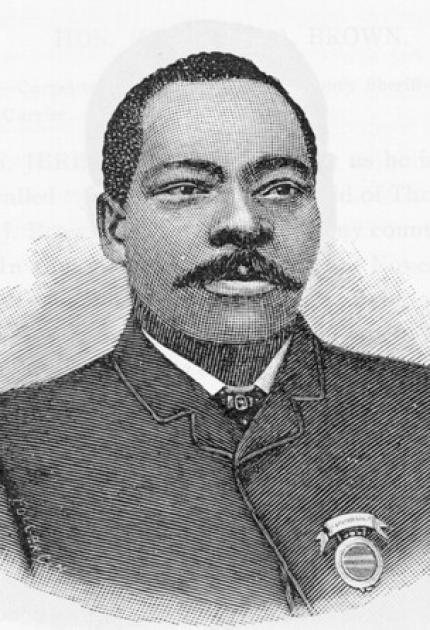
Why does Granville T Woods’ story matter?
For the formative performance task, use the sources to answer the following questions:
What are the important events in this person’s life? What emotions did this person experience throughout their life?
What did this person invent? What other inventions have been done in this area?
What do we know about the biases this person faced and how they responded? How did their responses compare to other people of their time?
How much—if it all—did the person’s life change after their inventions? Did they receive credit for their invention? Did they profit from it?
In what ways did this person address social issues of their day?
Featured Sources
Source A
U.S. Patent No. 373,383, Application for Railway Telegraphony, 1887
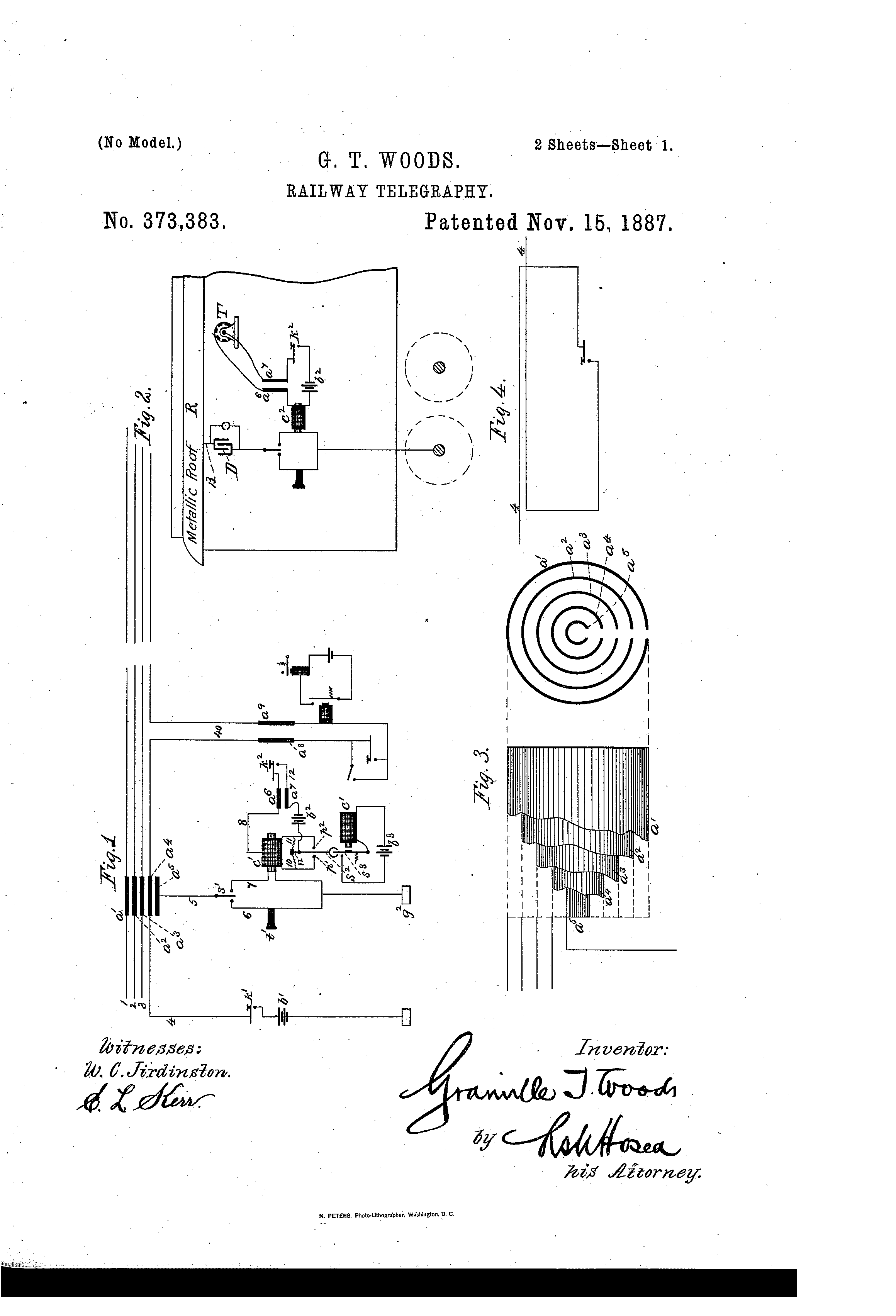
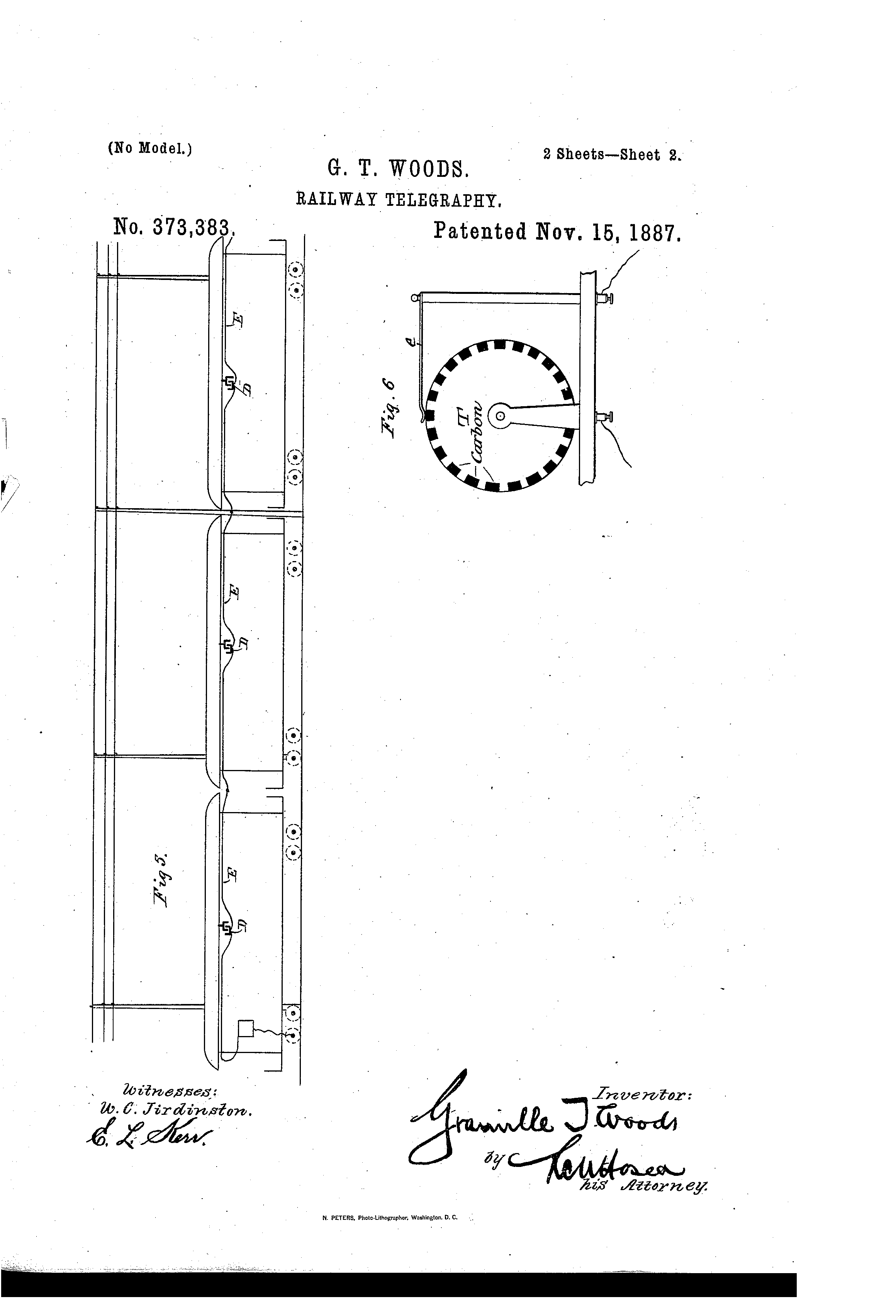
This technology made it possible for moving trains to communicate with each other.
Source B
Overlooked, New York Times, Amisha Padnani, Retrieved 2026
Woods’s big breakthrough, in the 1880s, was a communication system for railway workers that he referred to as the induction telegraph. Conductors had a very poor way of communicating with rail stations, so if two trains were heading to the same place at the same time, a collision was all but certain. Woods’s invention suspended a coil beneath the train so that as it moved along the rails, a magnetic field would be created around it, allowing messages to be sent uninterrupted.
But before he could file for a patent, he contracted smallpox and was bedridden for months. In that time, another inventor named Lucius Phelps beat him to the punch. Woods was shocked when he saw an article in Scientific American crediting Phelps for a version of the communications system he had been working on for years. He quickly finished his design and applied for a patent, setting off an investigation to determine who started developing the technology first.
Woods was able to show notes, sketches and a working model of the invention, and he secured the patent in 1887.
Source C
Granville T. Woods - Black History Month, The Wise Channel, 2020.
Source D
“Granville T. Woods,” National Hall of Fame of Engineers, 2006.
As the multiplex telegraph took off quickly and proved very useful, Woods found himself facing patent suits filed by Thomas Edison. Though Woods won, Edison was persistent in pursuing the invention. He even offered Woods a partnership in one of his businesses, but Woods refused, preferring to remain an independent inventor.
After receiving his patent for the multiplex telegraph, Woods established his own business, the Woods Electric Co. in Cincinnati. In the hopes of doing more business, in 1890 he moved his company to New York City. Here, he was able to partner with his brother, Lyates Woods, who was also an inventor.
Woods' later inventions dealt with more efficient use of electricity. He created an overhead conducting system allowing rail and trolley cars to run on electric current instead of steam power, and he devised a third rail that still is used on many rail lines. The third rail carries electricity via electromagnetic switches and pulls trains along. Additionally, Woods developed an automatic air brake used to slow or stop trains.