Supporting Question
Why does Garrett Morgan’s story matter?
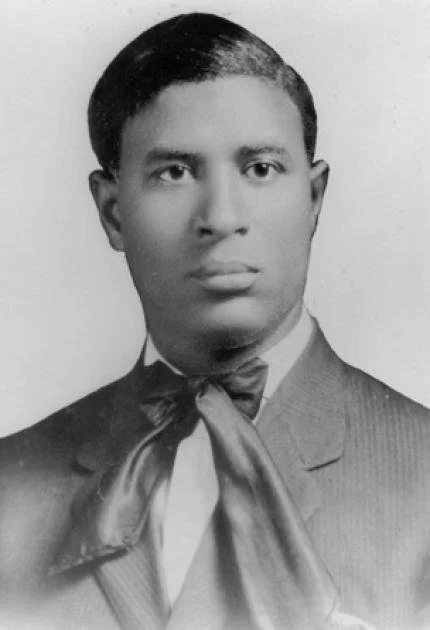
For the formative performance task, use the sources to answer the following questions:
What are the important events in this person’s life? What emotions did this person experience throughout their life?
What did this person invent? What other inventions have been done in this area?
What do we know about the biases this person faced and how they responded? How did their responses compare to other people of their time?
How much—if it all—did the person’s life change after their inventions? Did they receive credit for their invention? Did they profit from it?
In what ways did this person address social issues of their day?
Featured Sources
Source A
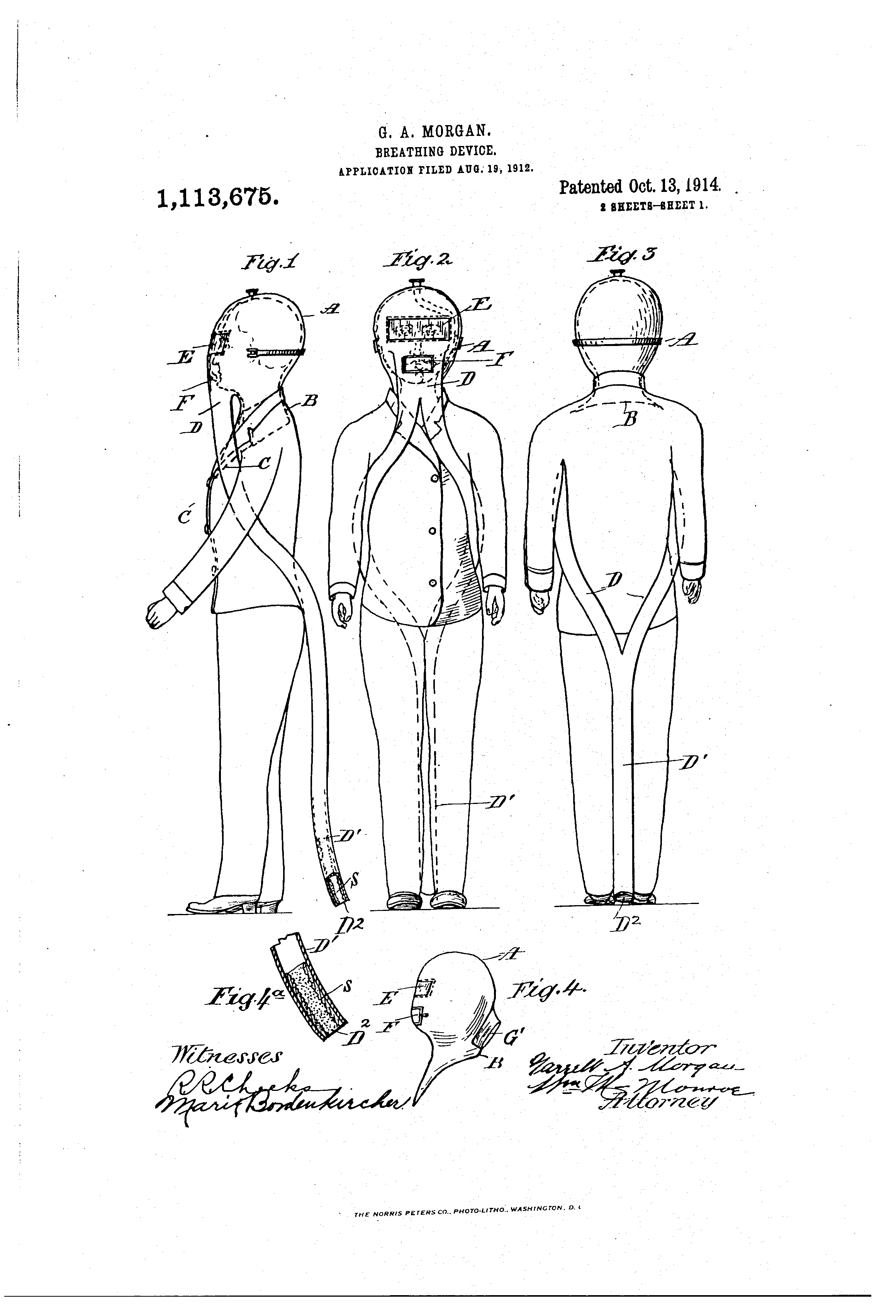
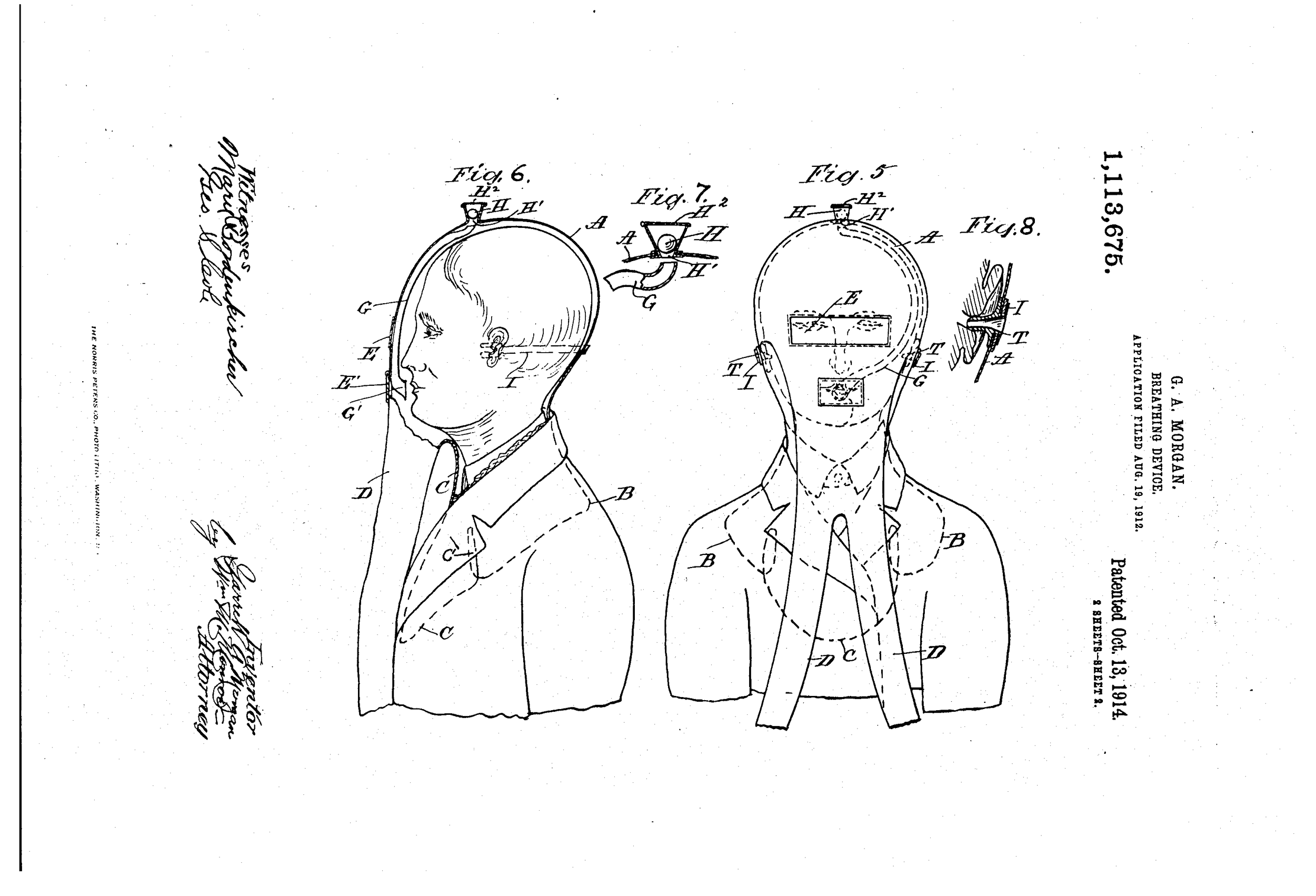
U.S. Patent 1,113,675, ‘Breathing Device,’ 1914.
Source B
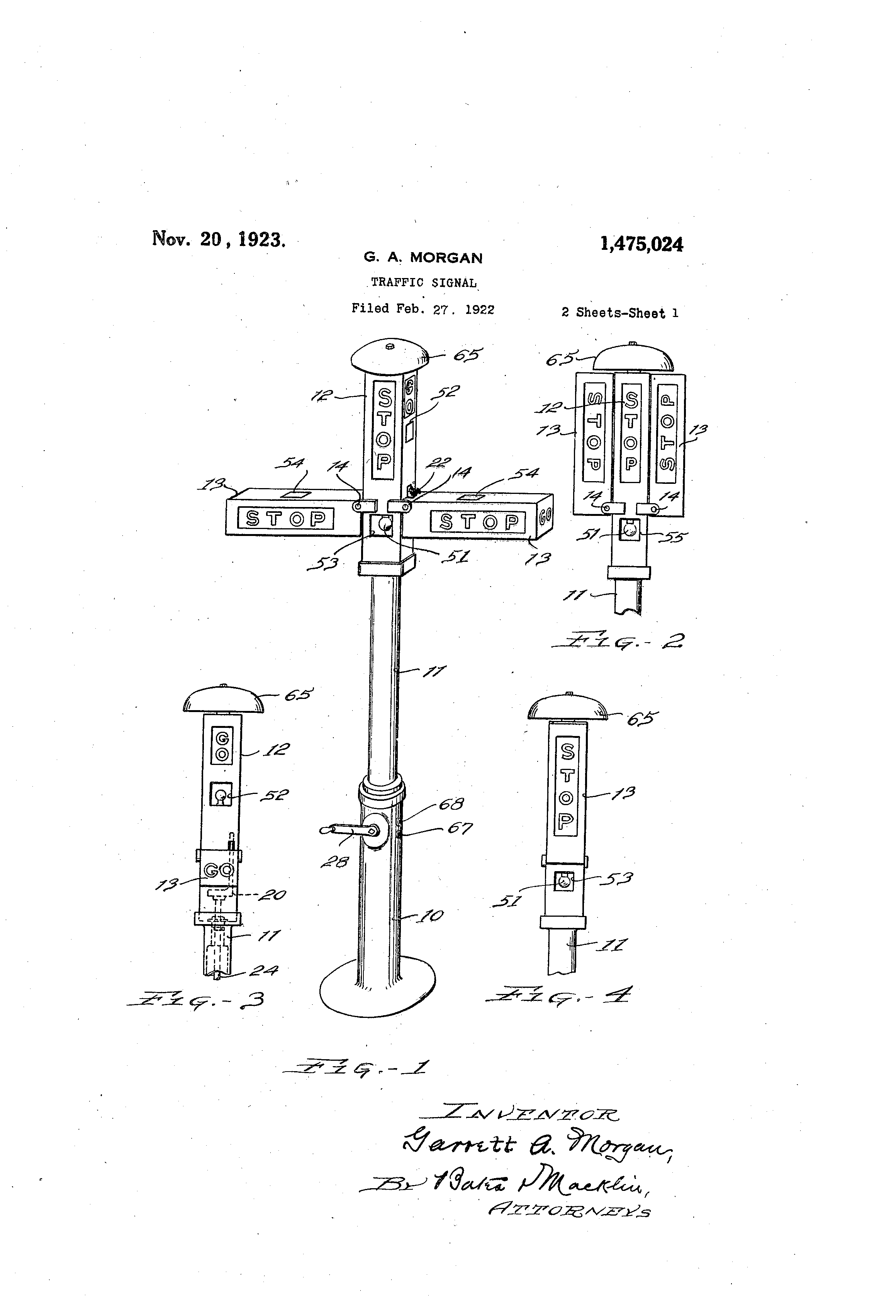
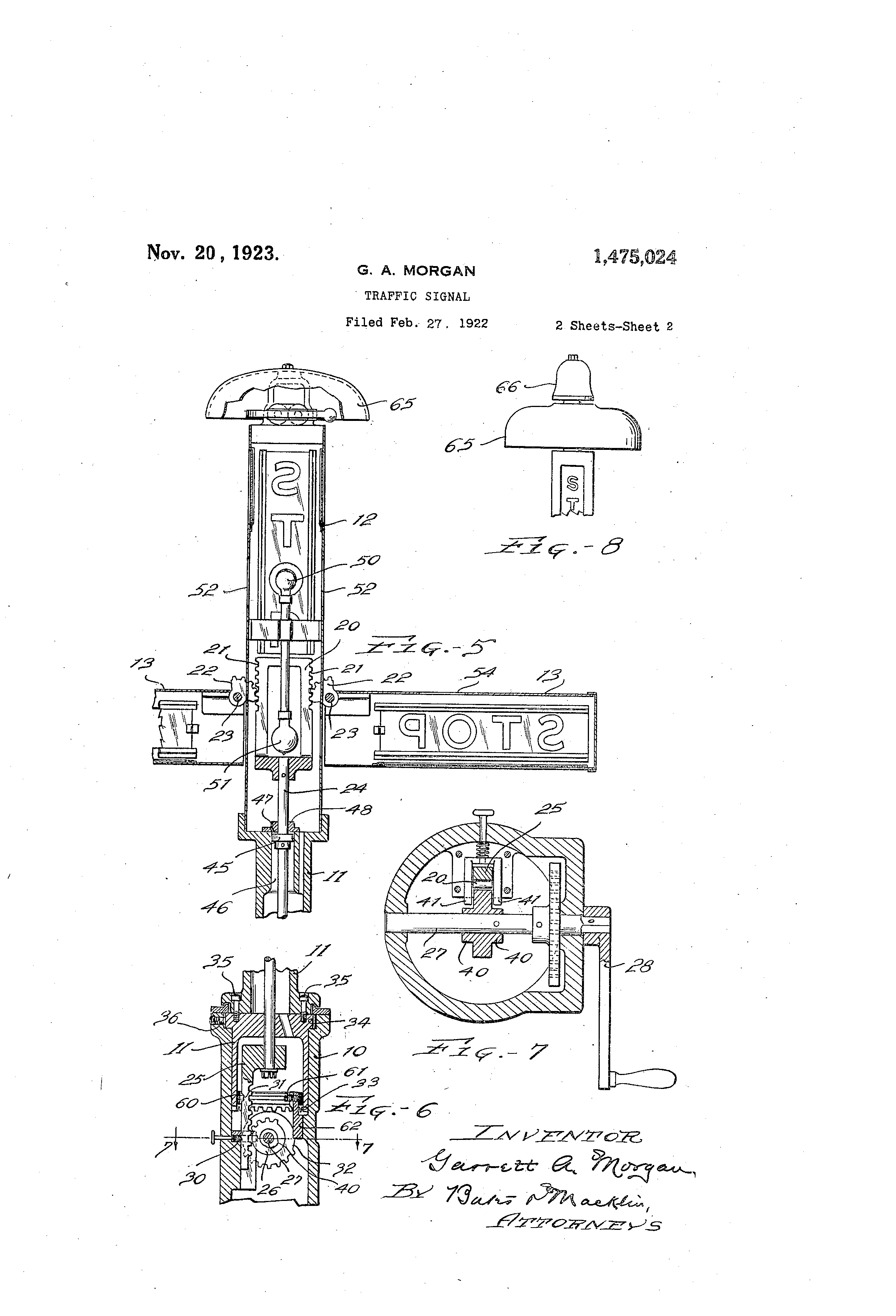
U.S. Patent 1,475,024,‘Traffic Signal,’ 1923
Source C
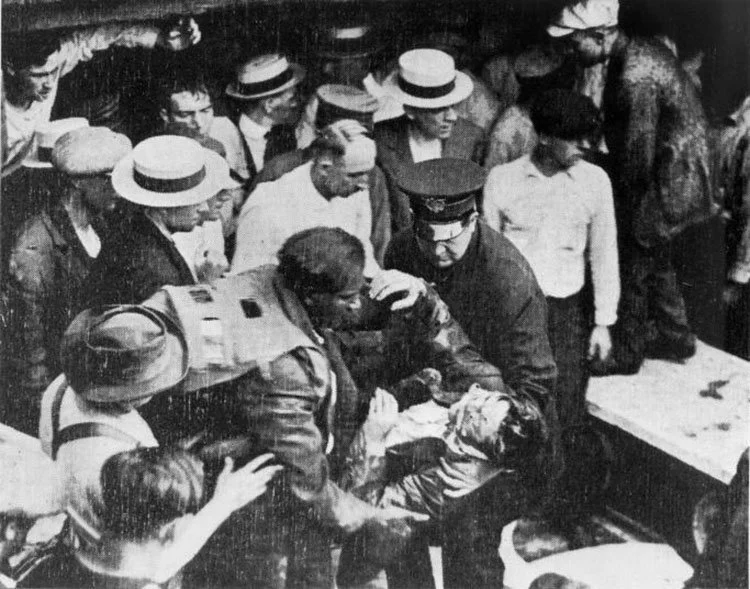
Garrett Morgan rescues a victim of the Waterworks Tunnel Disaster, Western Reserve Historical Society, 1916
Source D
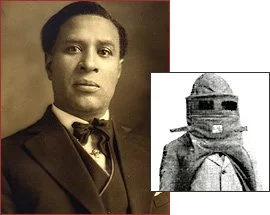
“Garrett Augustus Morgan,” PBS
Son of Freed Slaves
Garrett Morgan's safety hood saved the lives of countless firefighters and others. He was born in Kentucky during the Reconstruction era, in 1877. His father was the mixed-race son of a slave and a Confederate colonel, John Hunt Morgan*. His mother, half Indian and half Black, was the daughter of a Baptist minister. Morgan’s race would impact his career profoundly.
Inventive Nature
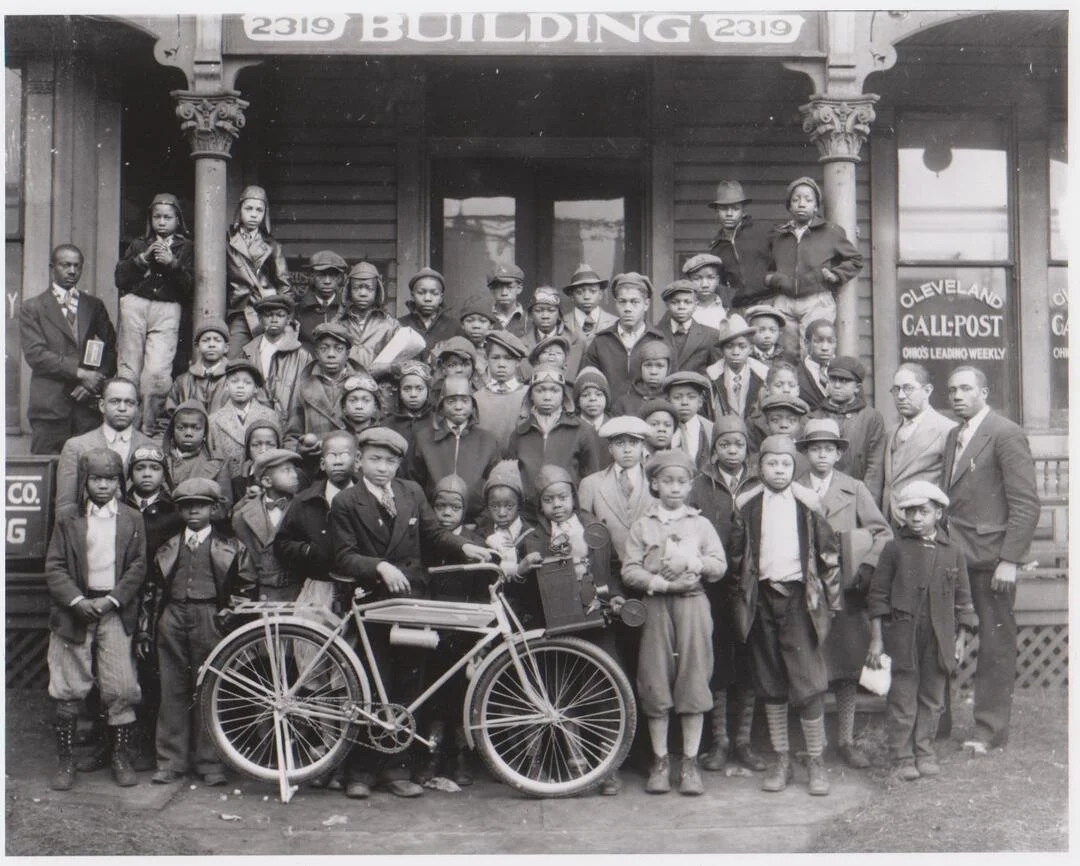
Though Morgan only had a sixth-grade education, he had a mechanical genius and an entrepreneurial bent. Finding work in a textile factory, he learned how the machines worked, and became the only Negro adjuster, fixing and improving mechanical problems. In 1907 he opened his own repair shop, and soon launched a clothing business with his wife, an immigrant seamstress from Bavaria. It was an era of difficulty for African Americans, but Morgan made money, becoming the first black man in Cleveland to own a car. He branched out into cosmetic products, joined a new organization called the NAACP, and soon was donating money to Negro colleges. In 1920, he started a newspaper for African Americans, The Cleveland Call, and opened an all-black country club. In 1923, he patented a mechanical traffic signal that he sold to General Electric. It was widely used*, yet Morgan earned only $40,000 for the invention.
The Safety Hood
Morgan's biggest venture was his safety hood. As a young man, he had seen firefighters struggling to withstand the suffocating smoke they encountered in the line of duty. In 1914 Morgan secured a patent for his device, a canvas hood with two tubes. Part of the device held on the back filtered smoke outward, while cooling the air inside. Morgan's safety hood won accolades and wide adoption in the North, where over 500 cities bought it, over time. He sold the hoods to the U.S. Navy, and the Army used them in World War I. But sales in the segregated South proved challenging. Morgan's hood got great press in 1916, when he used it to save workers in a collapsed tunnel under Lake Erie. But Cleveland's newspapers and city officials wrote Morgan -- who had ventured into the tunnel first -- out of the story, lauding other men and ignoring Morgan's heroism. It would take years for the city to recognize his contributions. Morgan died in 1963, vindicated as a hero of the Lake Erie rescue and restored to his place in history.
*Source Note 1: Some biographies identify Garrett Morgan’s father as the son of Confederate officer John Hunt Morgan. However, historians have found no documentary evidence confirming this relationship, and census records suggest it is unlikely. This disagreement offers an opportunity to consider how historical claims are created, repeated, and verified across sources.
*Source Note 2: This PBS source states that Morgan’s traffic signal was “widely used.” However, the U.S. Patent and Trademark Office notes that Morgan’s mechanical signal did not see widespread use because electric traffic signals soon became more common. This discrepancy provides an opportunity to compare how different sources interpret the historical impact of an invention.
Source E
Garrett Morgan Traffic Light, Deeper Than Read, 2020
Source F
Newsboys gather on front of the Call & Post building, Case Western Reserve University, 1935
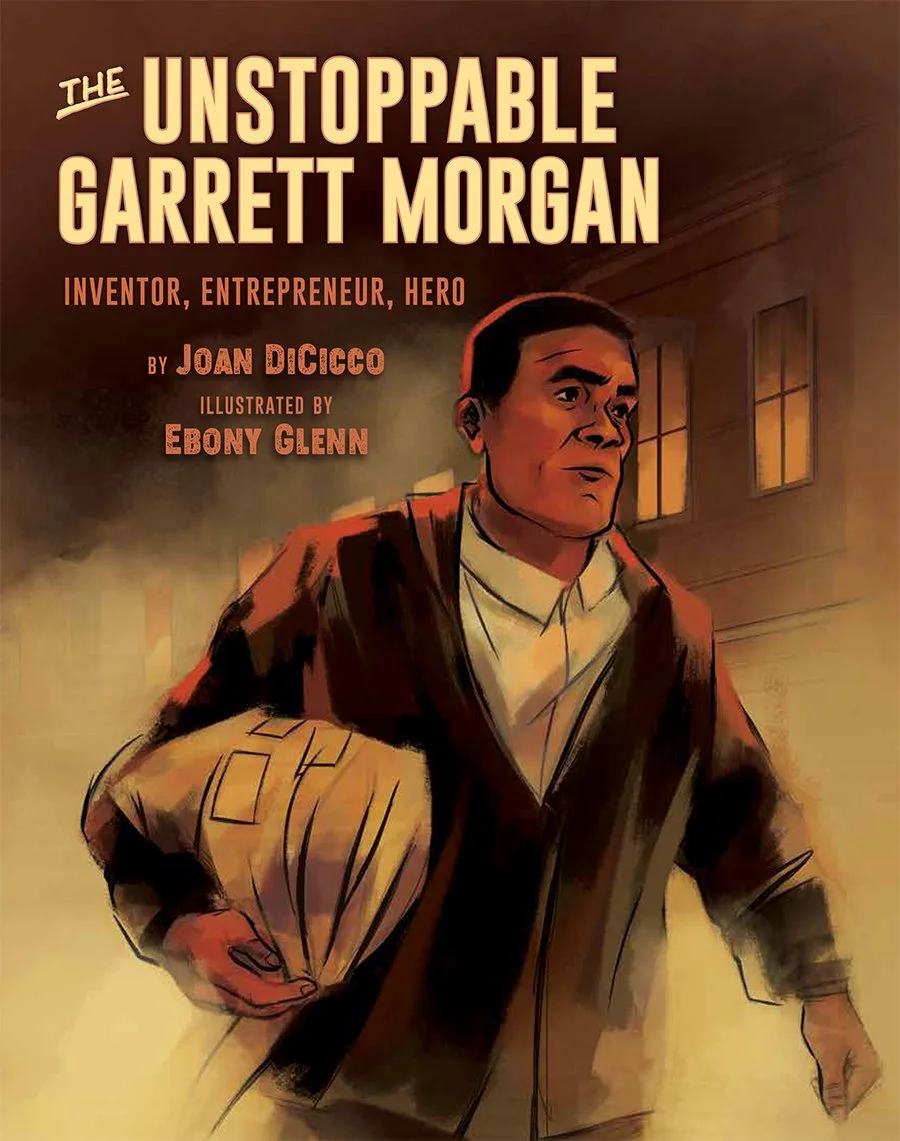
The Unstoppable Garrett Morgan, Joan DiCicco and Ebony Glenn, 2019
Source G
“Garrett Morgan,” in What Color Is My World?: The Lost History of African-American Inventors by Kareem Abdul-Jabbar, 2012
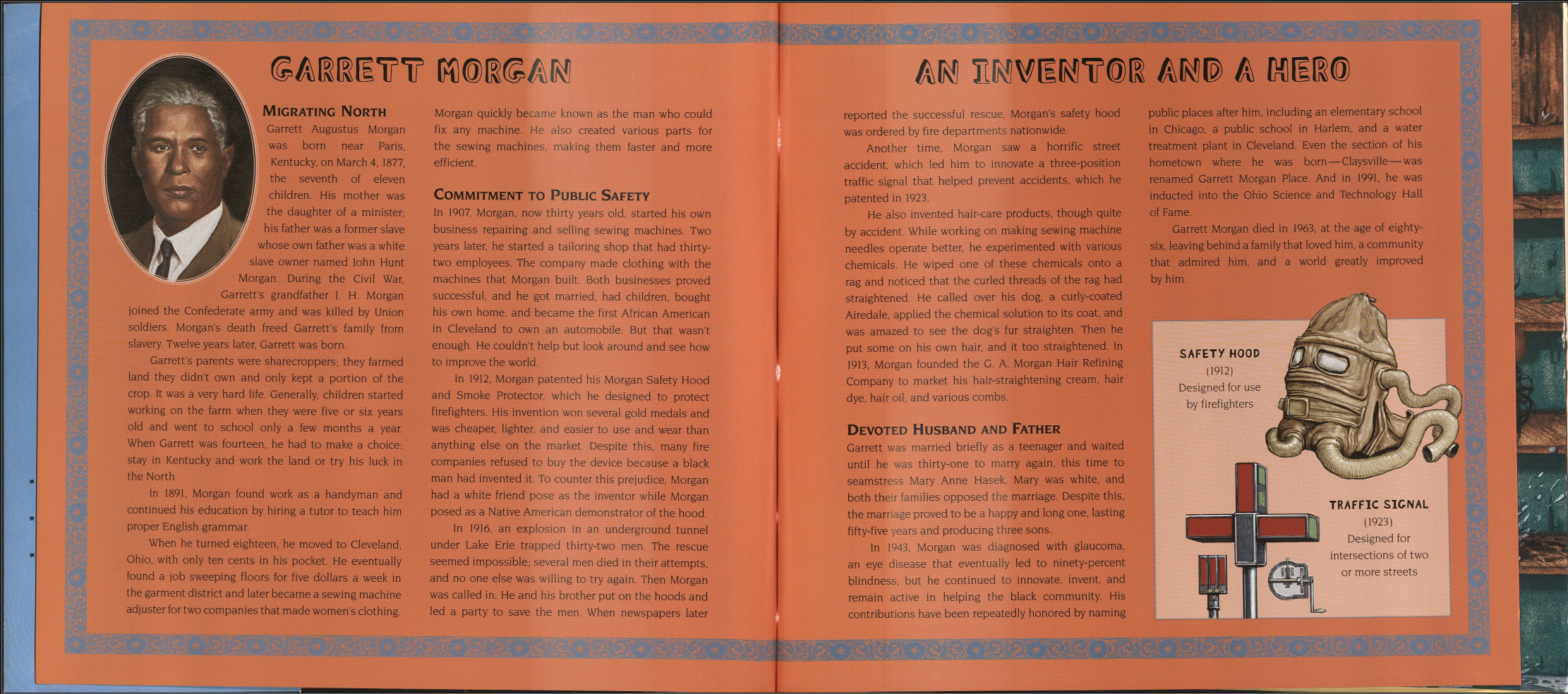
Alternative Source G
Source H
“Garrett Morgan’s long road to inventing the modern-day traffic light,” Alanna Marshall, 2025
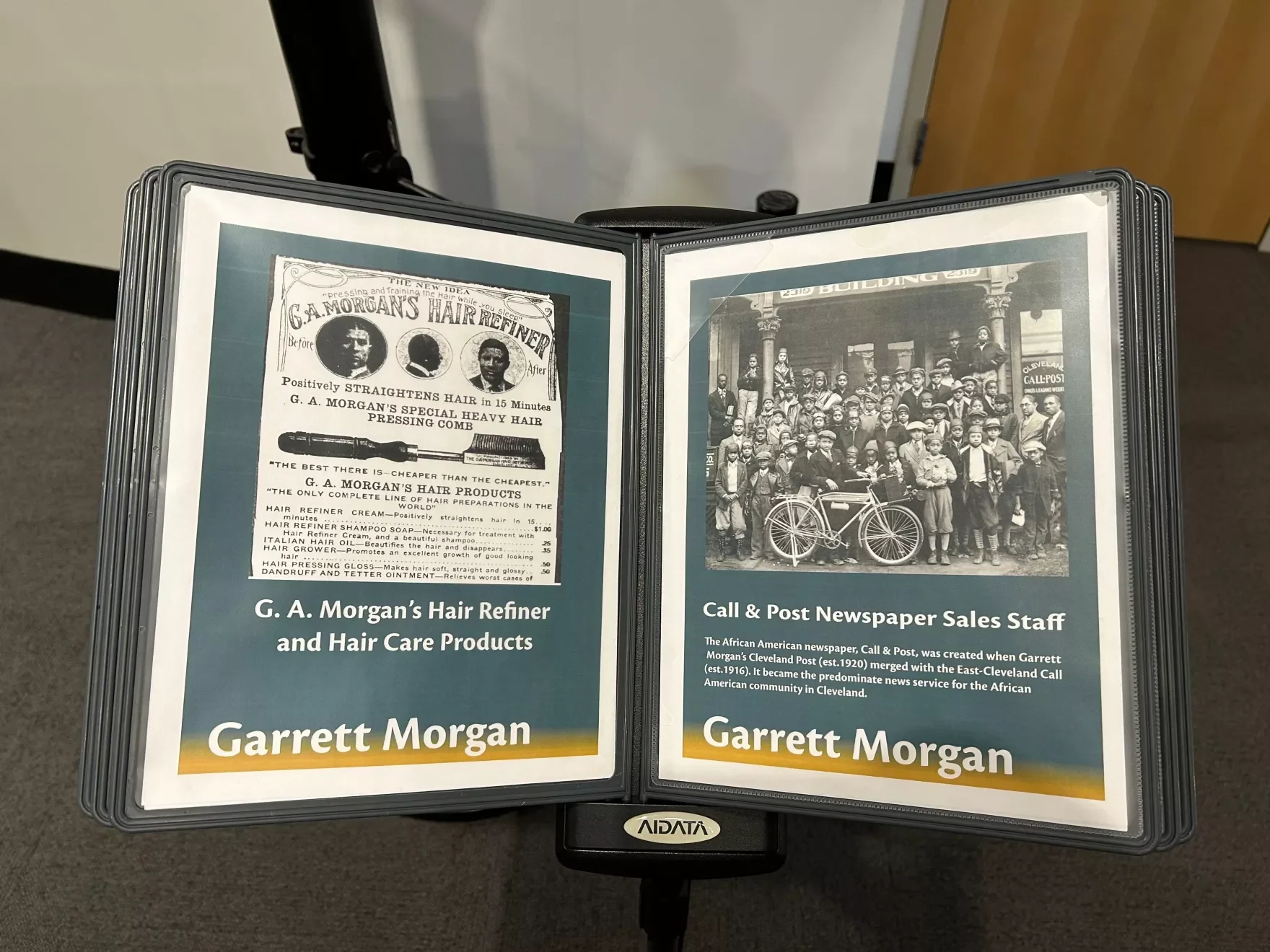
Click on the Source H link to listen to a 4:30-minute podcast about Garrett Morgan.